
Summer Camps for Children
On this page we have some frequently asked questions and reviews of our summer camps. If you cannot find the information you are looking for, please do not hesitate to get in touch, either using the Contact Us page, or by email at info@summercampstrust.org
-
At each camp the children will be divided into small groups of 5 to 10 children, with a trained young leader in charge. These leaders will be with their groups nearly all the time, and will ensure the children are safe, happy, and well looked after. There will also be experienced senior staff at each camp, overseeing the arrangements and the programme of activities. One of the senior staff will look after any medical needs children may have. The Summer Camps Trust and the providers running the camps take their safeguarding duties very seriously. Children’s safety, both physical and emotional, is our top priority.
-
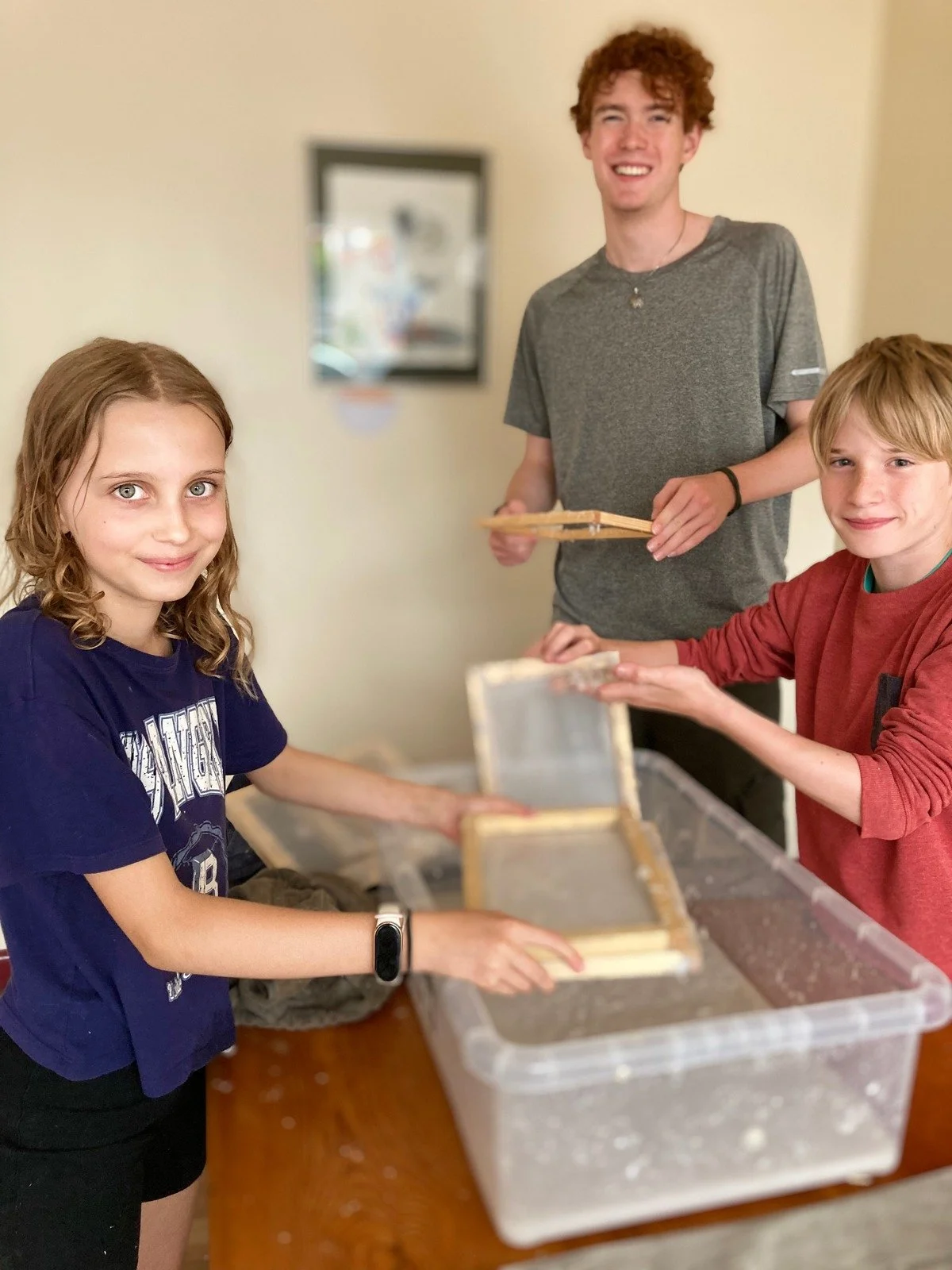
There will be a varied and exciting programme at each camp, with plenty of energetic activities interwoven with quieter, more relaxing ones. There will be all kinds of games, exploring the countryside, outdoor activities, making things, creative activities, and stories and songs round the fire at night. There will also be time to relax and get to know each other.
-
Children will sleep in small dormitories. Leaders will always be within earshot in case of need in the night. Bedtimes will be from 8.30 to 10 p.m. Parents may be asked to send bedlinen or sleeping bags.
-
Each camp will have an experienced catering team, and there will be three good meals a day with plenty of food. Parents will be asked to provide a packed lunch for the outward travel day, and the camp staff will provide one, where needed, for the return.
We cater for most allergies and dietary requirements. If your child has any specific dietary needs, please get in touch so we can make the necessary arrangements.
-
A few weeks before the camp parents will receive an information mailing (packing list, etc.), and will be asked for background details about their children. They will also be invited to tell the camp organisers about any specific needs their children may have.
-
Yes, some funding is available to help children from less well-off families to take part. This will be organised through schools, so parents should ask their child’s school to contact the Trust and recommend their child for a free or reduced-price place.
-
If a booking is withdrawn up to ONE CALENDAR MONTH before the start of a camp, any money paid will be fully refunded apart from the £75 deposit, which will be retained to cover administrative costs. If a booking is withdrawn less than one month before the start of a camp the amount of refund is at the discretion of The Summer Camps Trust; the reason for the withdrawal will be taken into account. A withdrawal at the very last minute may involve forfeiting all the money paid.
-
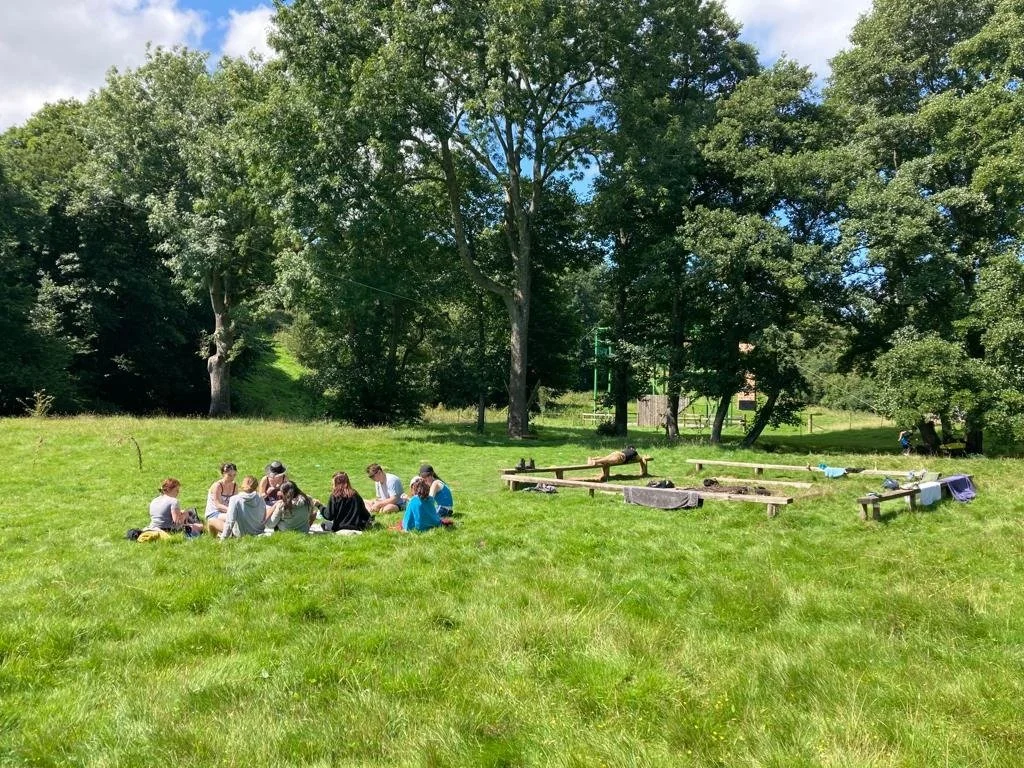
Physical health and wellbeing > In an atmosphere away from screens and electronic gadgets, children get to spend time running about in the fresh air, playing games, discovering new outdoor activities, and generally being active. In some camps they do water sports, abseiling or orienteering. In others they follow trails through the woods, build dens and play outdoor games. Some children discover a new outdoor pursuit or sport which becomes a life-long hobby. Everyone gets to enjoy and appreciate physical activity.
Thus summer camps can help with issues such as obesity and stress. They achieve this by showing children that being outdoors and active is fun.
Environmental benefits > Most summer camps are in rural settings, and for some children living for a week amid green fields, trees and streams is a new and exciting experience.
Spending quality time in the natural environment in their formative years is of value to all children, and for some, life-changing.
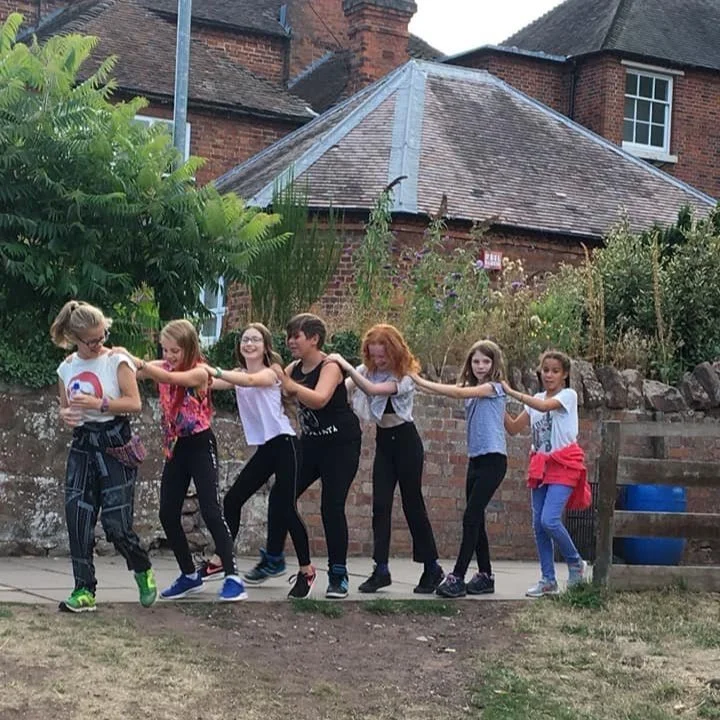
Social benefits > A summer camp has a beginning, with everyone arrives not knowing each other, and an end, when there can be tears at leaving new friends and a happy community. It is something of a “bubble” environment, shut away from the outside world and its pressures, where everyone needs to make an effort to get on with each other and to join in. With the help of the young leaders, children learn that living happily together requires give and take, as well as the appreciation of others and their needs. This process is made easier because the participants arrive not knowing each other, enabling a completely new community to be created.
A summer camp can form a particularly rich and vibrant community, giving children the opportunity to live together with others from different backgrounds and places, who they may otherwise have never encountered. As the camp proceeds they understand everyone’s shared humanity, and learn to get along with people from all backgrounds.
Educational benefits > Though summer camps are designed to be holidays and fun (i.e. not the same as summer schools to improve your maths), they are active holidays. Participants may get the opportunity to try a range of outdoor pursuits, make kites or puppets, sing, act, listen to stories round the fire, visit places of interest, and lots more. They have time to chat about a variety of things and get to know their young leaders like older brothers and sisters. Everyone finds some activity where they can excel, and lots of things to arouse their interest.
Schools regularly comment that pupils returning from summer camps are more positive, enthusiastic and interested than before. Summer camps can help show our children the world is full of so many wonderful things to do and enjoy.
Personal benefits and wellbeing > Leaders often comment on how they see children blossom and grow as a summer camp proceeds as they find a community where they feel safe and valued, while at the same time being extended and challenged. An important part of the joy young people express after a week at summer camp is a real sense of achievement at having successfully related to “new” people from different backgrounds, and at having coped on their own away from their parents. Self-confidence and self-worth can be given a real boost.
A parent recently commented: “We often pay lip-service to helping our children move towards greater independence, but we are reluctant to provide opportunities from them to practice it”. A summer camp is an ideal solution to this dilemma.
Happiness and Enjoying Life > In today’s world, children get all too few opportunities to be fully away from screens and their pressures, to play in green fields and just be children. Many gain enormously from having the chance to do so. Lots of children say afterwards that the summer camp was “the happiest week of my year”, or sometimes “of my life”.
Happiness is a precious commodity, as is time in a screen-free environment.
Frequently Asked Questions…

“I can’t praise it enough. Just wish my younger daughter was old enough to attend.”
Reviews
“Many thanks to the entire team. Eloise will definitely return and is talking about becoming a camp counsellor when old enough!”
“As soon as my daughter got off the bus she burst out with ‘I had the sweetest leader’. She cannot stop talking about all that happened at camp, and has truly had the best fun ever.”
“The moment my son set foot off the train he couldn’t stop talking about this week. The friends he made, activities leaders. He is a different boy.”
“I had been so worried about my son, but when he came home I realised I need not have been. He said his leader was wonderful and really cared for the group. She wrote a lovely note to him at the end which is something he will treasure. Despite feeling a little homesick at times he said it was the best week ever and is already planning next years. The activities were great, and he said he felt safe and happy all of the time.”