

Summer Camp Leader Training





Summer Camp Leaders
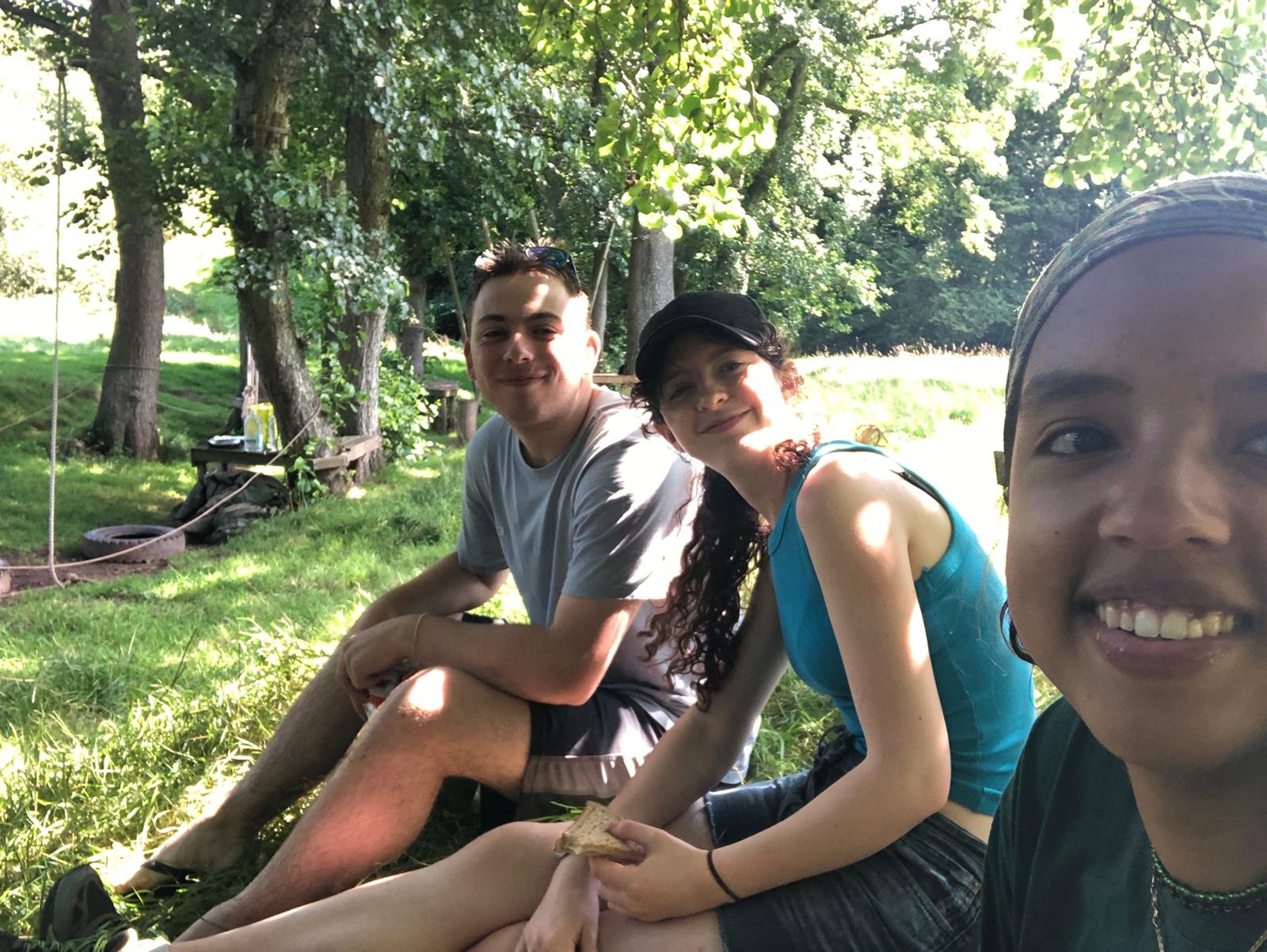
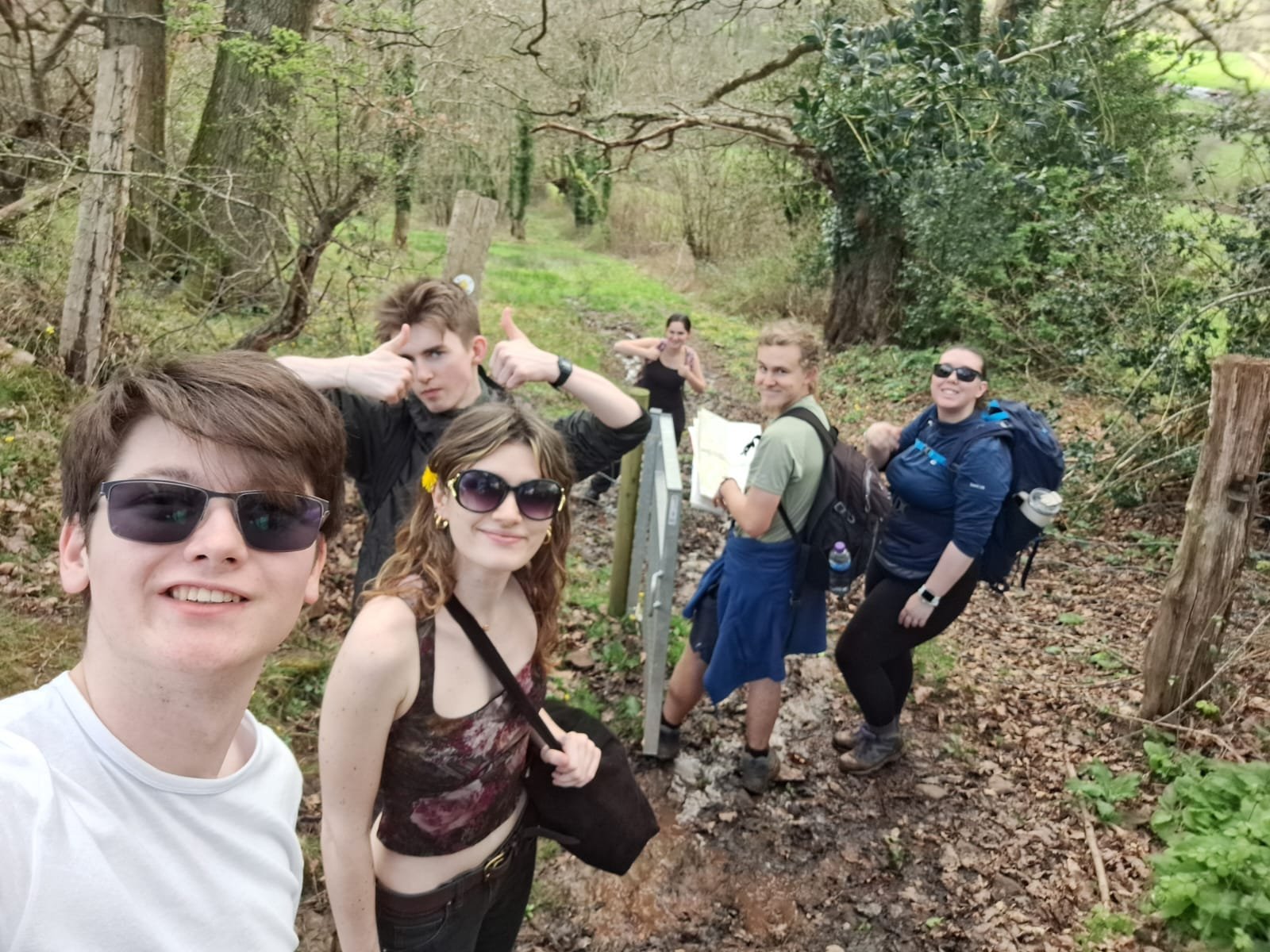
Perhaps the most important single factor in the success of a summer camp is the wonderful work done by the young volunteer leaders. Being more like older brothers or sisters than teachers, they become a central part of the children’s community. They offer real care and support, as well as being great role models. The leaders’ enthusiasm and positive attitude rubs off on the children, and helps create a happy, positive and active community. Often the main memory a child takes away from their summer camp is the wonderful relationship they have forged with the camp leaders.
Young leaders themselves say that their training and experience at camp is one of the most rewarding, eye-opening and fun experiences of their lives. Many come back year after year to volunteer on summer camps, making new friends for life and learning skills that help them to lead happy and successful lives.
2027 Volunteer Leaders’ Training Course
Wednesday 31st March to Wednesday 7th April 2027
Highball Centre, Hanley Swan, near Malvern
A board and lodging contribution of £150 is kindly requested. If this will prevent you from attending the course, please do contact us at fran@summercampstrust.org
Arrival for supper on the 31st of March, with departures after breakfast on the 7th of April.
Applications will be opening shortly!
Previous Young Leader testimonials…
“I learned more about how to work successfully with children on my one-week summer camp leader training week than in a whole PGCE”
Secondary School Head
“I will always remember my training week, and meeting amazing people who gave me life-long skills I use all the time, and gave me confidence to take leading roles in life”.
CEO
FAQs
-
What brings people back to volunteer time & time again on summer camps is the fantastic people that you get to spend your time with, the huge leaps in confidence that such experiences give and the fact that it’s so incredibly fun! It is telling that all returning volunteers do so, despite the fact that they could go elsewhere and engage in paid work; however, such is the brilliant and rich experience on summer camps, that they choose to return to volunteer at camp instead.
For many volunteer leaders the experience can be life-changing. It offers enormous benefits - interpersonal, organisational and management skills, the ability to work successfully with people from a variety of backgrounds and a positive attitude to life in general. Many former volunteer leaders who have moved on to hold senior job roles in later life often pay tribute to what they gained from being given such thorough training and real responsibility at a young age, whilst working on residential summer camps.
Working in a summer camp also provides a great addition to Personal Statements and CVs; with such a huge variety of things taking place in one week, there’s always plenty from the experience to write about in an application!
The training week can also count as a residential course for the Duke of Edinburgh Gold Award.
-
You must be 17 by the start of the course.
-
At The Summer Camps Trust, our passion for providing engaging & empowering training to young leaders means that we cover the cost of your leader training completely.
As such, we simply ask for a £150 contribution to board and lodging during the course. A non-refundable deposit of £35 needs to be paid when applying. The remaining £115 needs to be paid 4 weeks before the start of the course.
If you are keen to do the course and work with children on a summer camp, but are not in a position to pay the board and lodging contribution, do get in touch; a very limited number of reduced price places are available. To be offered one of these places you would need to provide a letter of support from a teacher or tutor attesting that (a) you could make a good summer camp leader, and that (b) your financial circumstances are such that are not in a position to pay the board and lodging for this course.
-
A list will be sent to you in good time, but rest assured that no specialist equipment or clothing needs to be supplied. If you have a favourite teddy bear, they are definitely allowed to come too, at no extra cost!
-
As part of your application we will ask you to provide two references who we will contact prior to beginning the course.
Your references should ideally be two of the following:Your current employer
School, College, or Sixth Form: a Headteacher, Principal, Head of Year, or Tutor who knows the you well.
University or Higher Education Institution: an academic advisor, personal tutor, or course leader.
Volunteering or Youth Work Supervisor: If you have volunteered with youth groups, sports clubs, or charities, a supervisor from that organization can act as a referee.
Character References: If you are not able to provide two reference from the above list, a formal character reference may be accepted. This must come from a person of standing in the community (e.g., a doctor, religious/community leader, or professional mentor),
not from family members, relatives, or personal friends.
You will also need to agree to an enhanced DBS check, which we will submit on your behalf. -
In signing up for the training, you are committing your intention to work at a summer camp for at least one week in the summer.
Whilst we will not allocate specific camp places until closer to the time, you will need to indicate to us which dates in the summer you could work in a summer camp for at least a week.
You will need to be available for one of the following sessions
25th - 31st July1st - 7th August
7th - 14th August
15th - 22nd August
22nd- 27th August
-
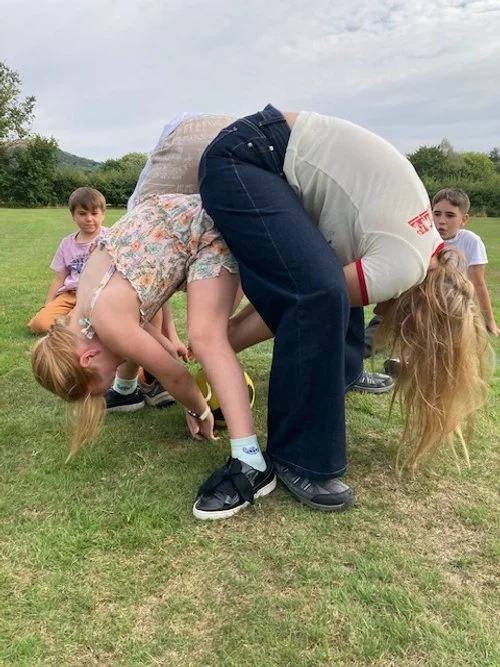
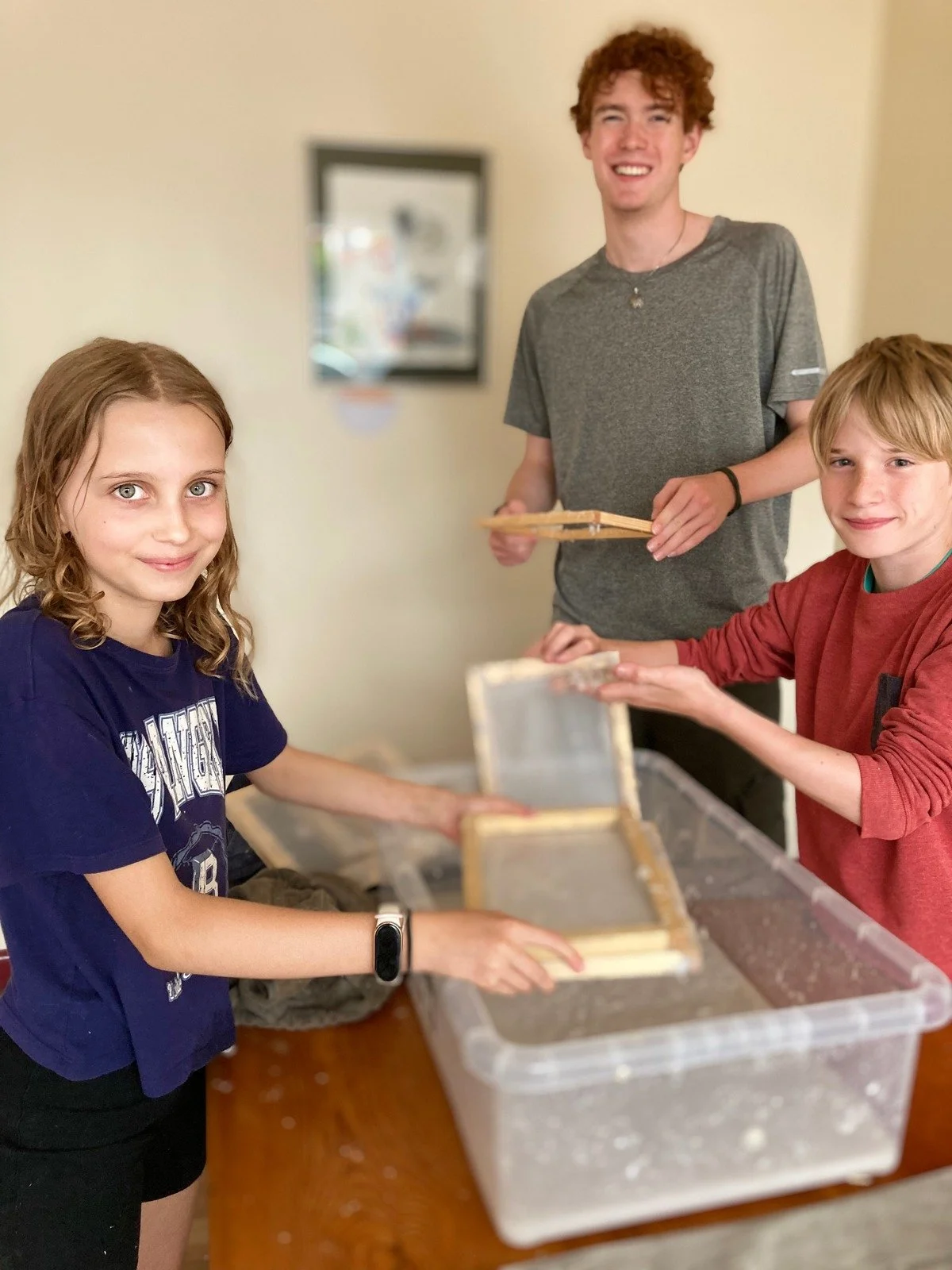
Put simply, the volunteer leaders are THE central part of the children's community on camp. Once allocated to a group of children, you’ll eat with them, play games with them, read them a bedtime story and share all elements of camp life together. Whilst offering real care and support, camp leaders can be great role models and the relationships forged with children on camp can make a huge difference to the experience that they have. The enthusiasm of camp leaders transfers itself to children, and leads to a happy, positive and active community of which everyone can feel an important part.
-
A well-run residential summer camp is unlike anything else in children's lives. It brings fifty or so 9 to 15 year-olds together from all kinds of school, all parts of Britain, and many different backgrounds. Within a week they become a relaxed, happy community of friends, playing and laughing together, exploring a new area and getting to know each other in a setting of green fields, woods and hills.
Whilst some children may be ‘sent’ on camp as a form of childcare rather than these benefits, the bottom line is that Summer camps help children become more self-confident, more enthusiastic, and above all happier. It offers them time to be children, away from the pressures of the modern world.
-
It is our sincere hope that you will work on at least one summer camp following your leader training. There is a (hardly ever used) exception to this. Anyone who felt, after the training course, that working at summer camps was not for them would be free to say so and withdraw from their commitment. Equally, those running the course reserve the right to refuse for summer camp work anyone who they feel has shown they would not cope with the responsibility or could even be a danger to children. Neither of these is likely to happen, and almost all trainees complete their training eager to work on a summer camp.
-
Yes! The Summer Camps Trust is a Duke of Edinburgh Award Approved Activity Provider, and the training week qualifies as a residential course for the D of E Gold Award.
Successful completion of the training course and 1 camp is mandatory, after which the final paperwork will be completed. -
If your questions weren't answered here then do please get in touch via frances@summercampstrust.org and we will be happy to answer them.